
Autumn Vata: Ayurvedic Tips to Feel Grounded

As autumn settles into the Northern Hemisphere, we see the change everywhere. The days grow shorter, the wind picks up, and the weather can change from one day to the next. One day may feel warm and sunny, the next cool and overcast. You might also notice a change in yourself: sleeping less deeply, feeling more restless, finding it harder to concentrate or wanting to slow down. Ayurveda links many of these changes to autumn as the season of Vata dosha. When Vata is in excess, warm food, a steady routine and gentle yoga can help bring it back into balance.
Ayurveda offers a way of understanding these seasonal shifts through the three doshas: Vata, Pitta and Kapha. Autumn is traditionally associated with Vata, the dosha of movement. Understanding its qualities can help us make small, useful adjustments to our daily routines.
What is Vata dosha?
Vata is associated with the elements Air and Ether and the qualities cold, dry, light, mobile and irregular. In Ayurvedic teaching, it governs movement throughout the body, including breathing, elimination and the movement of thoughts. When Vata is balanced, its gifts include creativity, enthusiasm, inspiration and adaptability. When its qualities become excessive, that movement can feel less like freedom and more like restlessness.
The transition between seasons is known in Ayurveda as Ritu Sandhi. During this period, changing conditions can make it harder to maintain our usual balance. In the cooler, windier parts of the Northern Hemisphere, autumn continues to bring many of Vata’s qualities to the foreground. This seasonal understanding is not limited to people with a predominantly Vata constitution; we all experience changing conditions.
How might a Vata imbalance show up in autumn?
According to Ayurveda, signs associated with excess Vata can include:
- Body: dry skin, cold hands and feet, bloating, constipation, irregular appetite or digestion, and disturbed sleep.
- Mind: racing thoughts, nervousness, worry, irritability, difficulty concentrating or feeling easily overwhelmed.
- Daily rhythm: irregular mealtimes, staying up too late, rushing from one activity to another or feeling tired but unable to settle.
These are traditional Ayurvedic associations, not a way to diagnose the cause of symptoms. Persistent or concerning complaints should be assessed on their own merits.
Five ways to pacify Vata in autumn
Ayurveda works with the principle that opposite qualities bring balance. When life feels cold, dry, scattered or irregular, we can bring in more warmth, nourishment, steadiness and consistency.
1. Choose warm, nourishing food
Enjoy cooked breakfasts such as oats or rice porridge, and warming lunches and dinners such as soup, stew, cooked root vegetables or kitchari. Healthy oils and appropriately spiced meals can counter the dry, cold qualities associated with Vata. If you notice that raw salads, cold smoothies and dry snacks leave you feeling less settled, try warm, freshly prepared alternatives. Warm, cooked food is one of the simplest ways to steady Vata in autumn.
2. Eat, sleep and practise at regular times
Routine may sound unexciting, but it can be deeply supportive when so much around us is changing. Give yourself time to eat rather than rushing through meals; keep a reasonably consistent bedtime; and make space for a familiar daily practice. A regular daily rhythm is at the heart of an Ayurvedic autumn routine, and it is one of the most reliable ways to keep Vata steady.
3. Bring warmth and oil into your self-care
Wrap up against cold winds, enjoy a warm bath and consider a gentle self-massage with comfortably warm oil. In Ayurveda, this practice is called Abhyanga, and sesame oil is traditionally used for its warming quality. Use an oil that suits your skin and avoid anything that irritates it.
4. Let your yoga practice steady you
If you already feel restless, the answer may not be a more demanding practice. In autumn, yoga for Vata is slow and steady: explore gentle movement, spinal exercises, grounding postures, comfortable conscious breathing and meditation. The important quality is often the steadiness with which you return to your practice, rather than how much you do.
5. Give your senses time to settle
Yoga calls the turning of attention away from constant sensory stimulation pratyahara. A screen-free meal, some quiet before bed or a few moments with closed eyes and a natural breath are ways to bring this into ordinary life. Notice what changes when your attention is not pulled in several directions at once.
Food as medicine: autumn recipes to balance Vata
We have two recipes on the Kundalini Yoga School website that fit beautifully with this season:

From understanding to practice
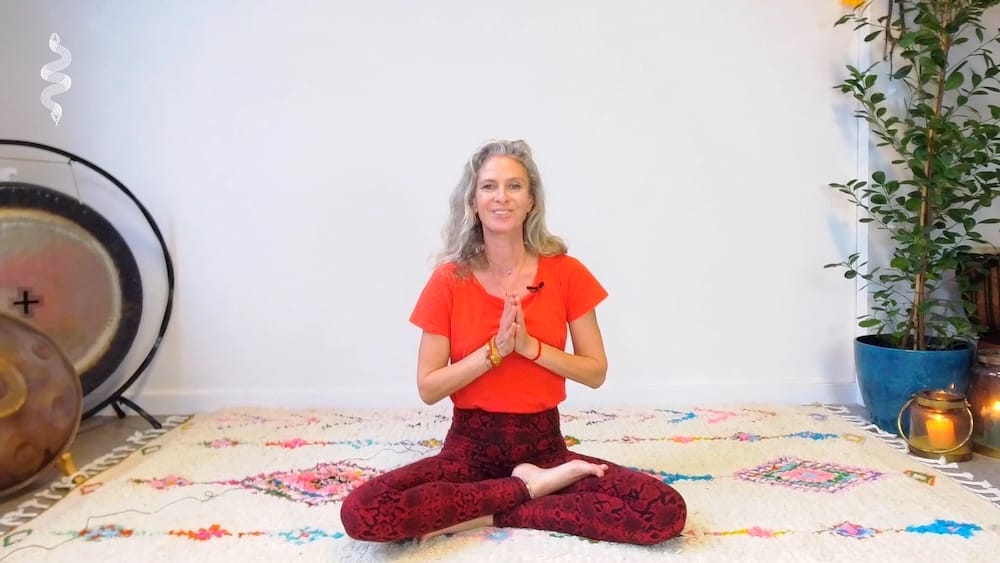
Reading about Vata gives us a useful perspective. Yoga offers a way to explore steadiness directly. We have made our Power Practice, Calm Heart, Steady Mind, available in the free Kundalini Yoga School community. It was developed around the themes of grounding, the breath and settling scattered energy.
As you move through autumn, pay attention to what genuinely helps you feel grounded when Vata is high. Perhaps it is a warm breakfast, an earlier evening, a slower practice or a little less noise. Which rhythms make it easier for you to meet the changes in your life?